



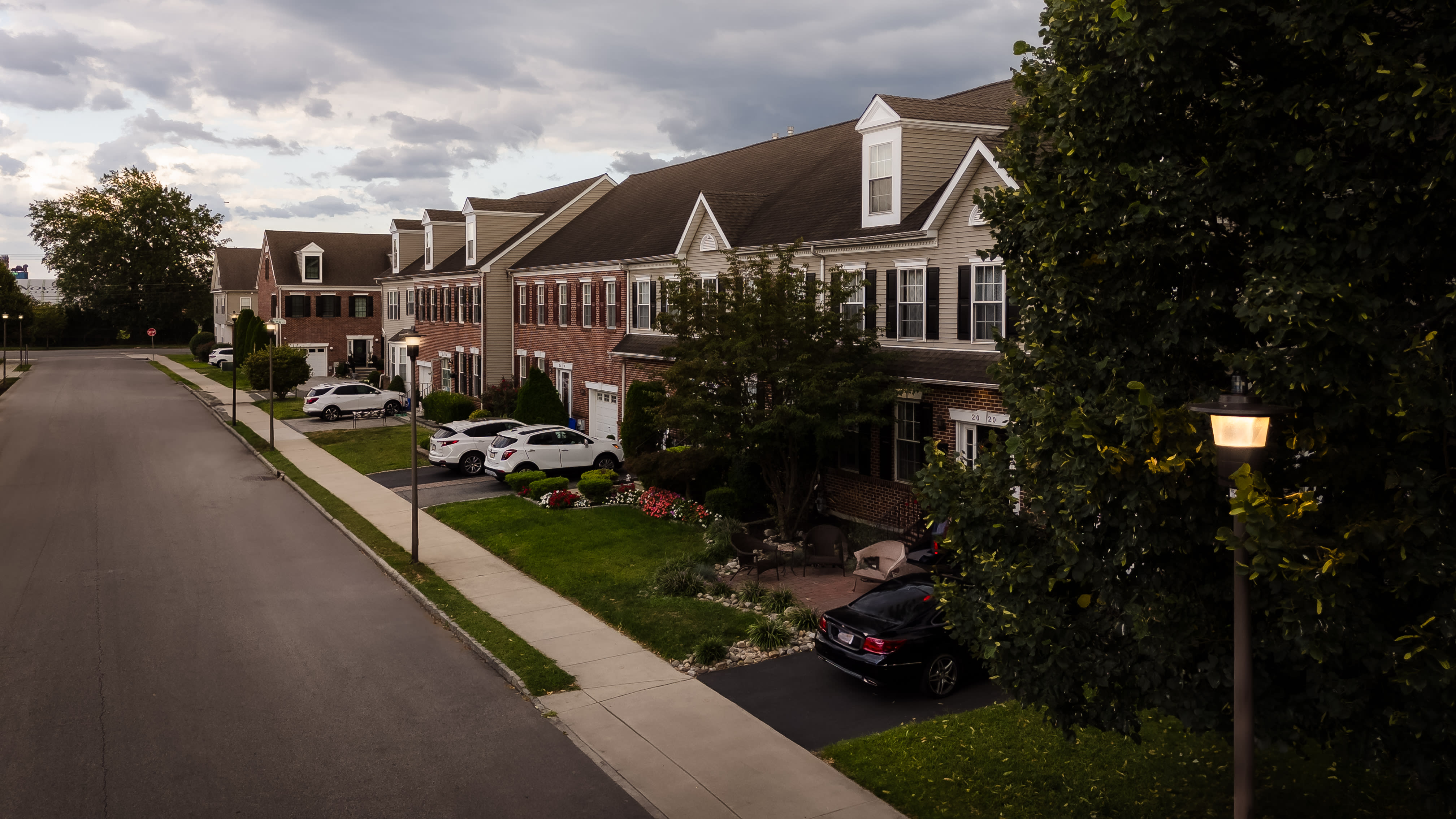
Philadelphia’s streets carry the imprint of a city built over generations – dense in some areas, open in others, but always active. After dark, lighting shapes how those spaces function. It influences movement, affects perceptions of safety, and helps maintain connection across neighborhoods. That reality drove a major modernization effort.
For city leaders, the system prior to modernization was no longer keeping pace. Maintenance was often dependent on resident reports. Lighting levels varied from block to block, and energy use remained a constant pressure. Expectations, meanwhile, were shifting toward greater reliability, consistency and responsiveness.
The Philly Streetlight Improvement Project (PSIP), completed in October 2025, was designed to address that convergence. Led by the Philadelphia Energy Authority (PEA) in collaboration with Ameresco, the city launched an effort to replace and connect approximately 130,000 streetlights. The goal was not just conversion to LED, but a transition to a system that is more efficient, longer lasting, and remotely controlled. A key part of that effort was identifying lighting solutions capable of meeting performance requirements while adapting to Philadelphia’s varied street conditions at scale.
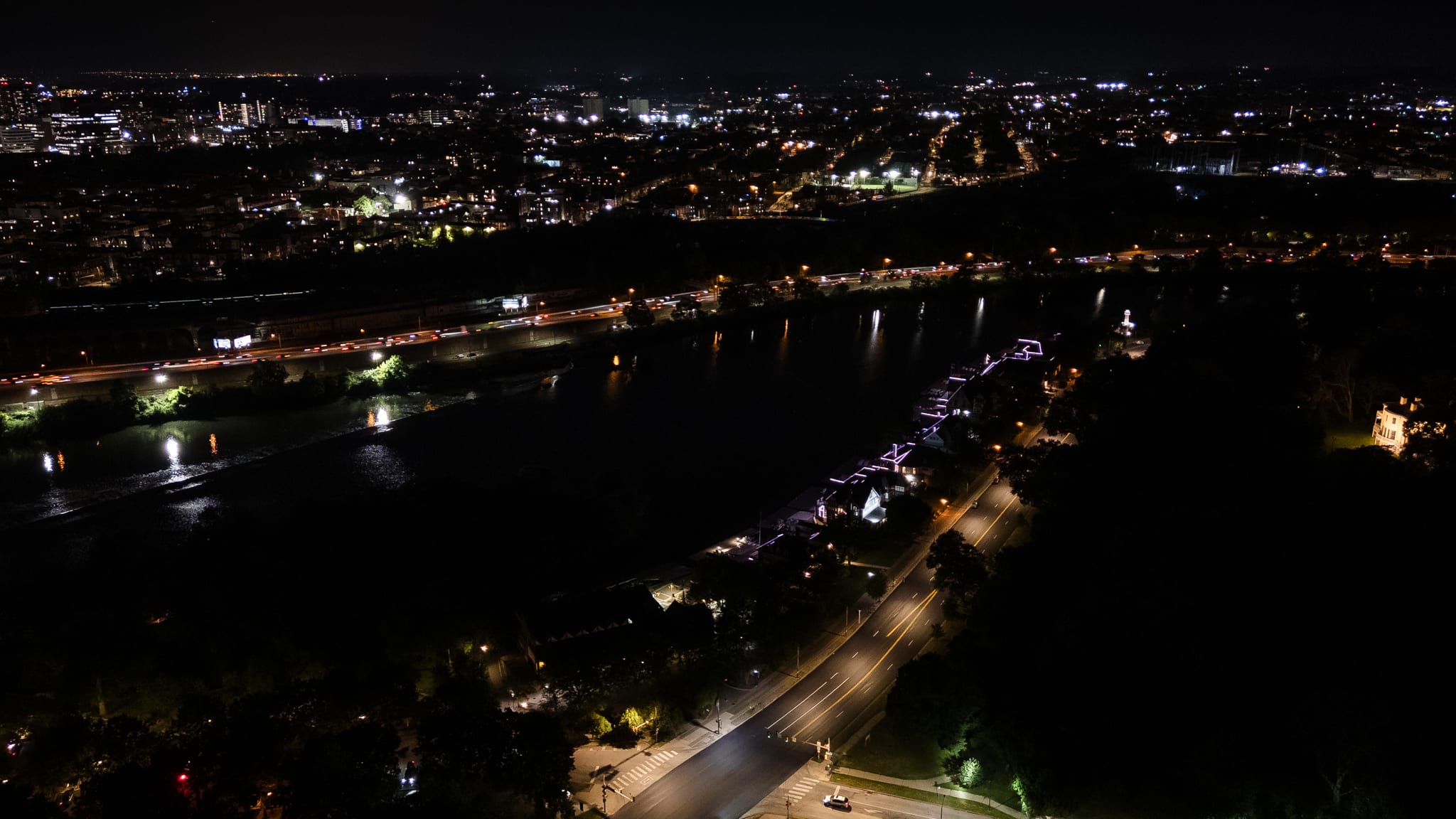
“This was more than simply the conversion of 130,000 legacy lights to LED luminaires,” said Fritz Feiten, National Smart Streetlighting Consultant, Ameresco. “The word that keeps coming up is ‘transformational’ – and I think it truly has been transformational for the city of Philadelphia.”
A System Designed for Scale
Philadelphia’s legacy lighting system reflected years of incremental updates rather than a coordinated plan. Some streets were brighter than necessary; others lacked sufficient coverage. When lights failed, identifying the issue often took time.
City leadership focused on outcomes that could scale citywide: consistent illumination, stronger reliability, faster response to outages, and reduced energy consumption. Long-term financial sustainability was equally important.
That effort was grounded in disciplined evaluation. Michael Fuller, President and Owner, Keystone Lighting Solutions, explained, “The City required a comprehensive and transparent evaluation and procurement process focused on delivering the best long-term value.”
The $91.2 million project was structured to be cost neutral over 20 years, supported by energy savings, avoided maintenance costs, and utility rebates.1
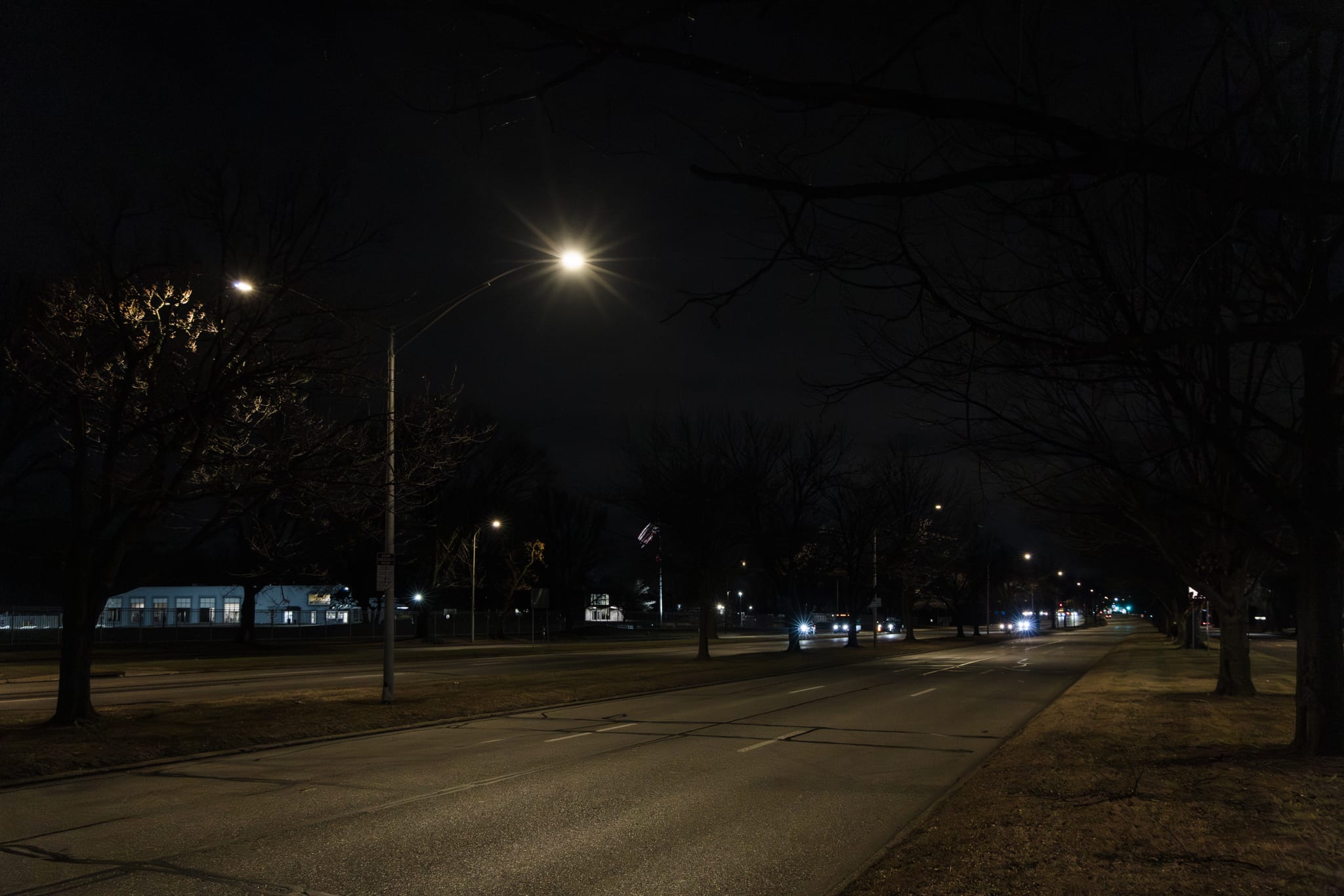
Moving forward required structure. Lighting needs were defined based on how streets are used. A residential block demands something different than a busy intersection, and that distinction informed the approach from the beginning.
Aligning products to application created a reliable baseline and ensured the system could scale across varied conditions. Within that framework, Acuity Brands’ AEL luminaires aligned closely with the City’s requirements, supporting roadway and residential applications through a platform that could be broadly deployed while still adapting locally.
At the same time, the project team recognized that lighting is experienced directly. Sample installations across the city gave residents the opportunity to see the changes firsthand and respond. Feedback on brightness, color and comfort helped shape the final outcome.
Collaboration at Scale
Delivering a project of this size required coordination across many teams. The Acuity Brands AEL Streetlighting group supported multiple applications throughout the city, supplying cobra-style and residential post-top luminaires.
As the project progressed, one issue emerged as especially critical: visual comfort, particularly in residential areas. Achieving the right balance between performance and comfort, without compromising requirements, became a defining challenge.
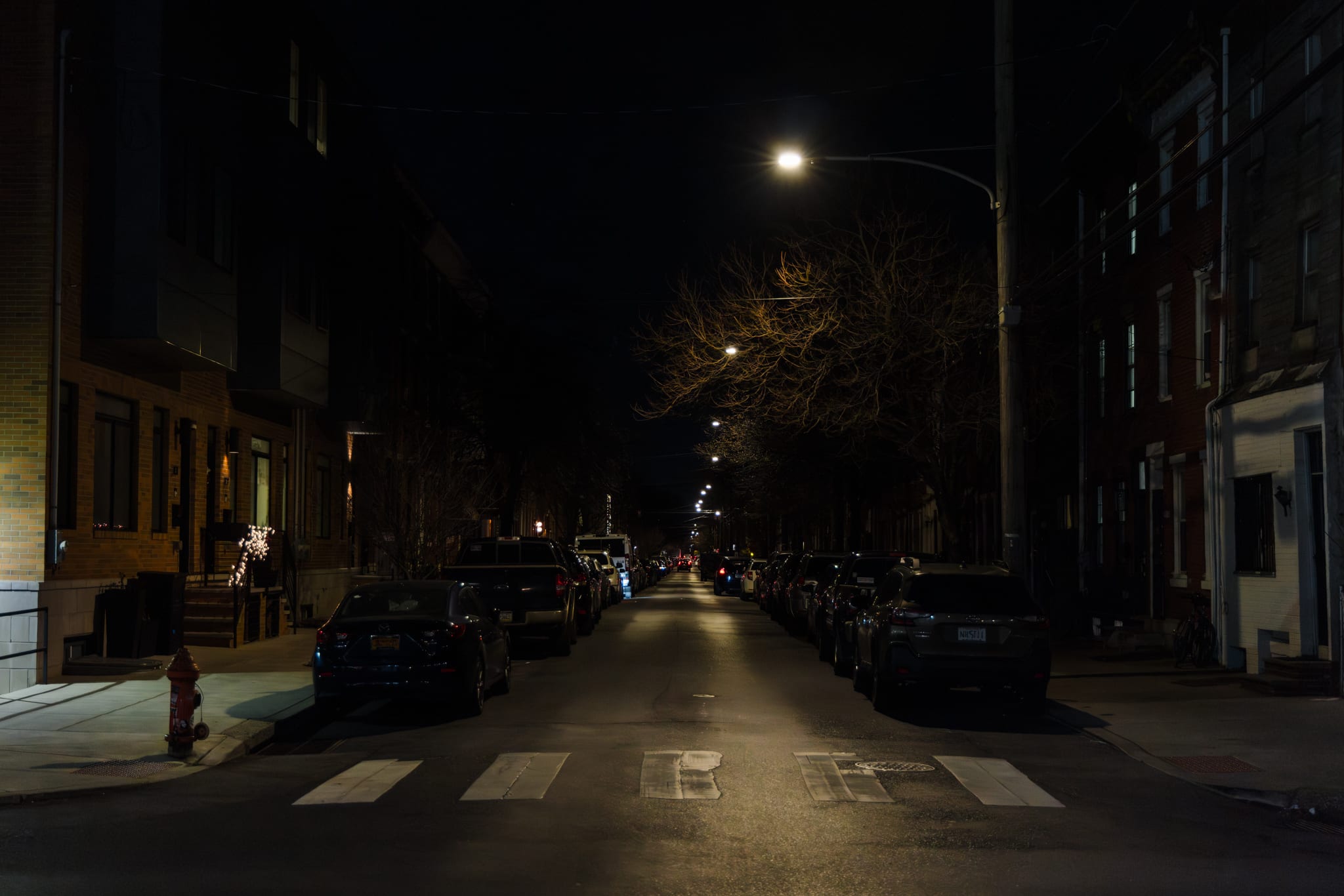
This is where Acuity’s contribution became most visible. Through fixture refinement and field-level responsiveness, the team demonstrated the ability to adapt solutions for lower mounting heights and neighborhood-specific conditions. That capability was supported by the flexibility of AEL’s AutoConnect™ LED luminaires, which combined visually comfortable performance with integrated controls and sensor-ready architecture designed to adapt across applications. The result was not just technical compliance but improved lived experience.
Reflecting on that process, Feiten noted, “Acuity was able to demonstrate a solution that stood out in the comparison, particularly through the extraordinary lengths taken to achieve vastly improved visual comfort.”
That ability to translate performance into something residents could see and feel helped shape how the upgraded system is perceived across the city.
From Installation to Operation
Another dimension of the project took shape locally. Luminaire assembly was coordinated within Philadelphia, supported by training and quality oversight. This approach created workforce opportunities while maintaining consistency.
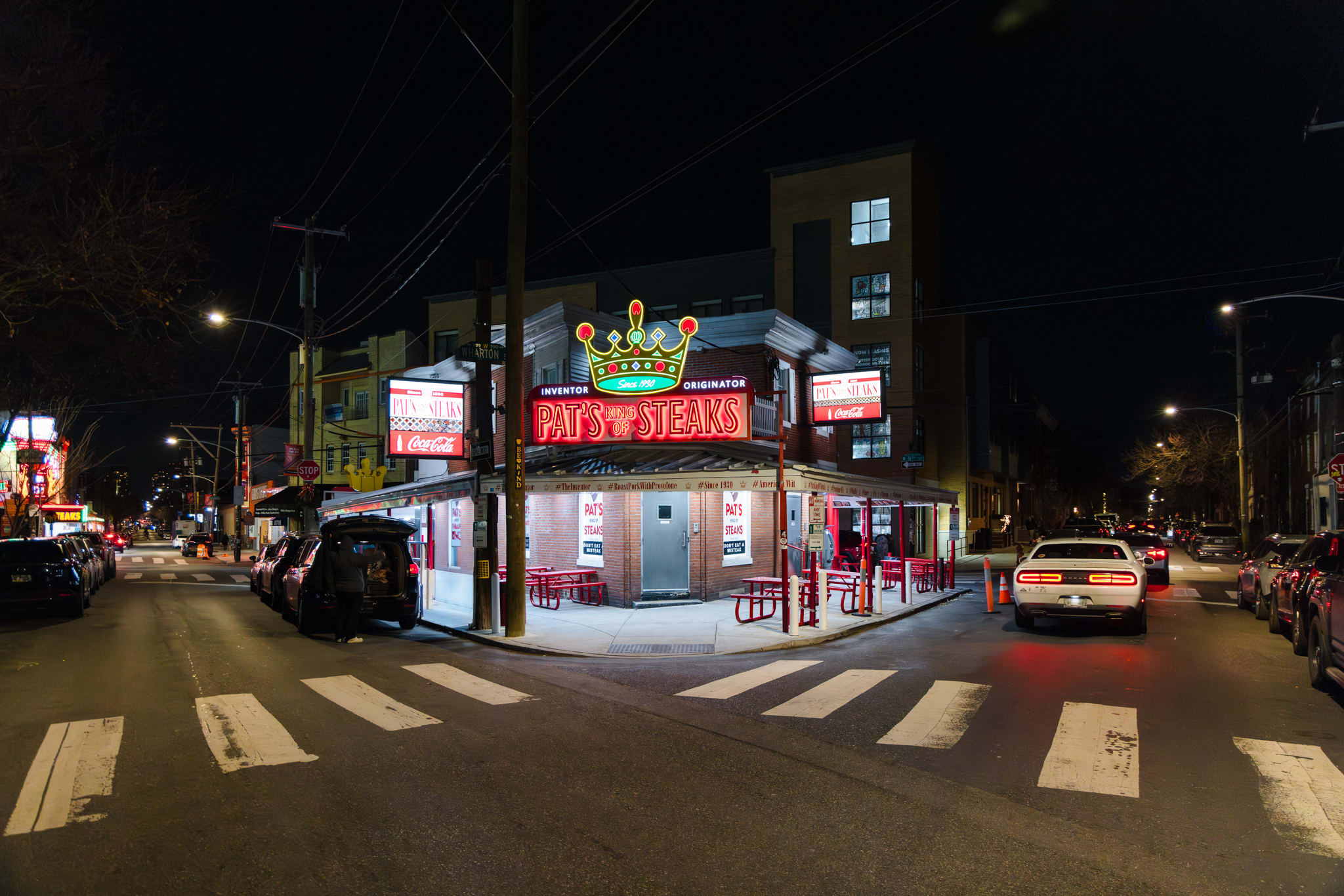
As installation progressed, the system began to function differently. Previously, outage detection depended on resident reporting. With networked controls, the City now has real-time visibility into performance, enabling faster and more precise maintenance responses.
Lighting levels can also be adjusted remotely. Many of the City’s streetlights, particularly those supplied through Acuity Brands’ AEL portfolio, feature intelligent DALI® D4i™ drivers. These communicate directly with the City’s secure network, enabling real-time visibility, faster outage detection, and more precise control over dimming and performance.
That connectivity extends beyond day-to-day operations. It simplifies asset management, improves diagnostics, and allows the City to expand capabilities over time through future-ready components and add-on technologies.
Measurable Results, Visible Change
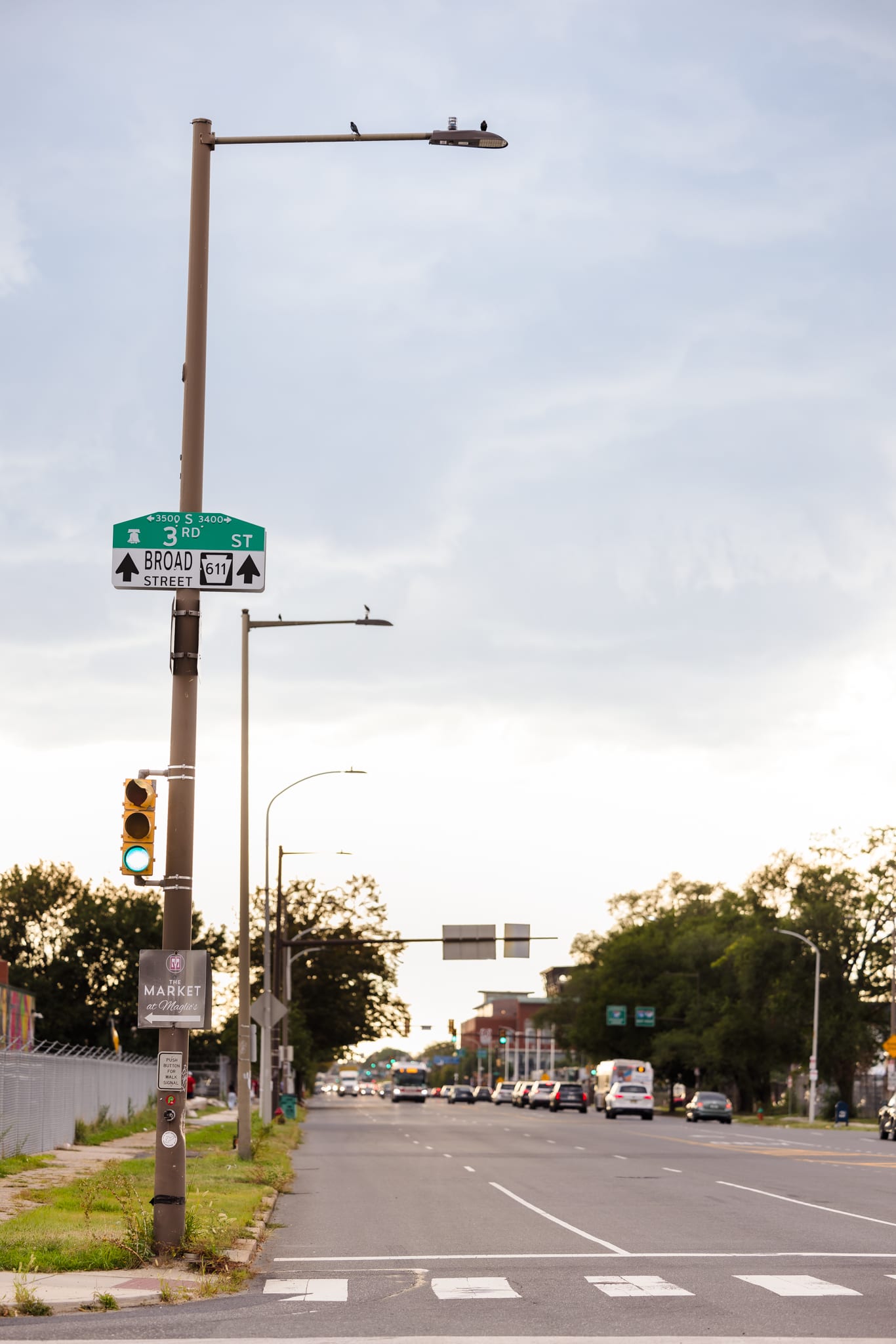
The impact is both measurable and immediate. Streetlighting energy use is expected to decline by more than 50 percent, reducing municipal carbon emissions by more than 9 percent.1 High-efficiency luminaires, including those from Acuity Brands’ AEL portfolio, play a direct role in achieving these outcomes.
Lighting quality has also improved. Streets are more evenly lit, and brightness is better aligned with surrounding conditions – creating a system that feels more consistent and intentional.
Additionally, a study of the PSIP found a 15% decline in outdoor nighttime street crime and a 21% reduction in outdoor nighttime gun violence following the Philadelphia streetlight upgrades.2 The findings demonstrate the potential impact of large-scale streetlighting upgrades on public safety outcomes.
What Comes Next
Philadelphia’s experience highlights several practical considerations:
- Define operational goals early and design around them
- Align lighting strategies with how streets are actually used
- Build flexibility into the system so adjustments can be made after installation
- Engage the community early to help shape decisions that affect daily experience
- Select project partners that can deliver at scale and remain responsive as conditions evolve
It also underscores the importance of thinking beyond upfront cost, taking into account performance over time, system adaptability and total lifecycle value.
The system created through PSIP is designed to support what comes next. Its connected infrastructure provides a foundation for additional capabilities, from adaptive lighting strategies to broader smart-city applications. Because the luminaires are designed with standardized, upgrade-ready components, the system can evolve without requiring full replacement – extending the value of the City’s investment.
"PSIP reduces the City of Philadelphia's streetlight energy use by 50%, saving $8 million in energy and operational costs per year," said Katie Bartolotta, VP of Policy and Strategic Partnerships, Philadelphia Energy Authority. "Across every neighborhood, residents are experiencing far fewer outages and much better visibility. Overall, it's been a fantastic investment."
For Philadelphia, the project reflects a broader shift toward infrastructure that is more efficient, adaptable and responsive to the people it serves. For other cities, it offers a clear example of how large-scale modernization can deliver measurable improvements today while building a foundation for the future.
- City of Philadelphia, Construction Begins on Citywide Philly Streetlight Improvement Project. Aug 8, 2023
- University of Pennsylvania Crime and Justice Policy Lab, Can enhanced street lighting improve public safety at scale? Sept 23, 2025.
Location: Philadelphia, PA
Brands: American Electric Lighting®
Photographer: RJE Photo by Richard James Earl
Watch the project video!


