



Originally featured on Lighting Management & Maintenance.
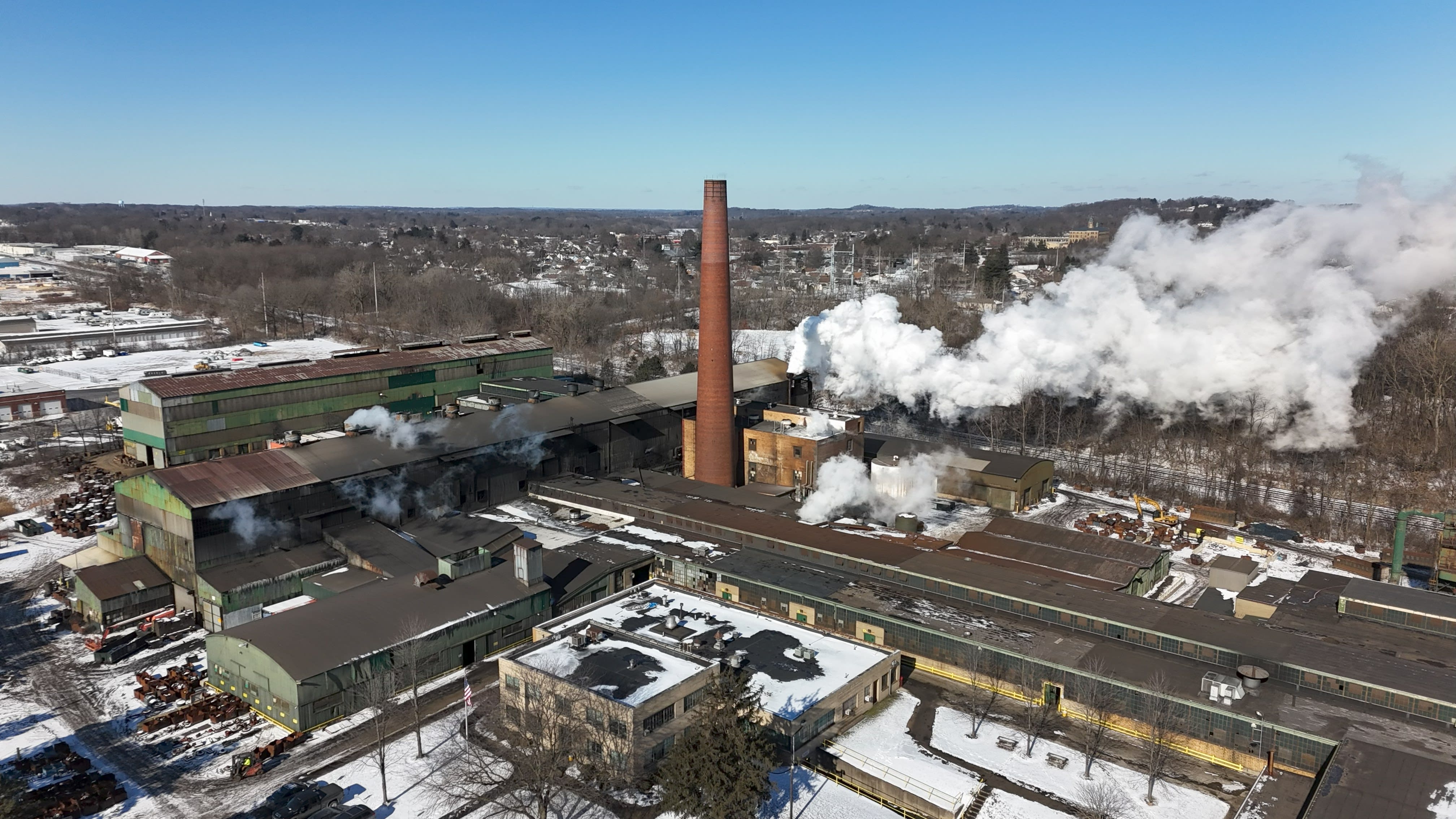
At Park Ohio’s century-old forge facility in Canton, Ohio, lighting was more than a visibility issue—it was a constant operational challenge. Extreme heat, heavy vibration, airborne soot, and round-the-clock production had pushed previous lighting systems to failure. For the maintenance team, frequent fixture outages and difficult access points—some reaching 60 feet—created an ongoing cycle of disruption and cost.
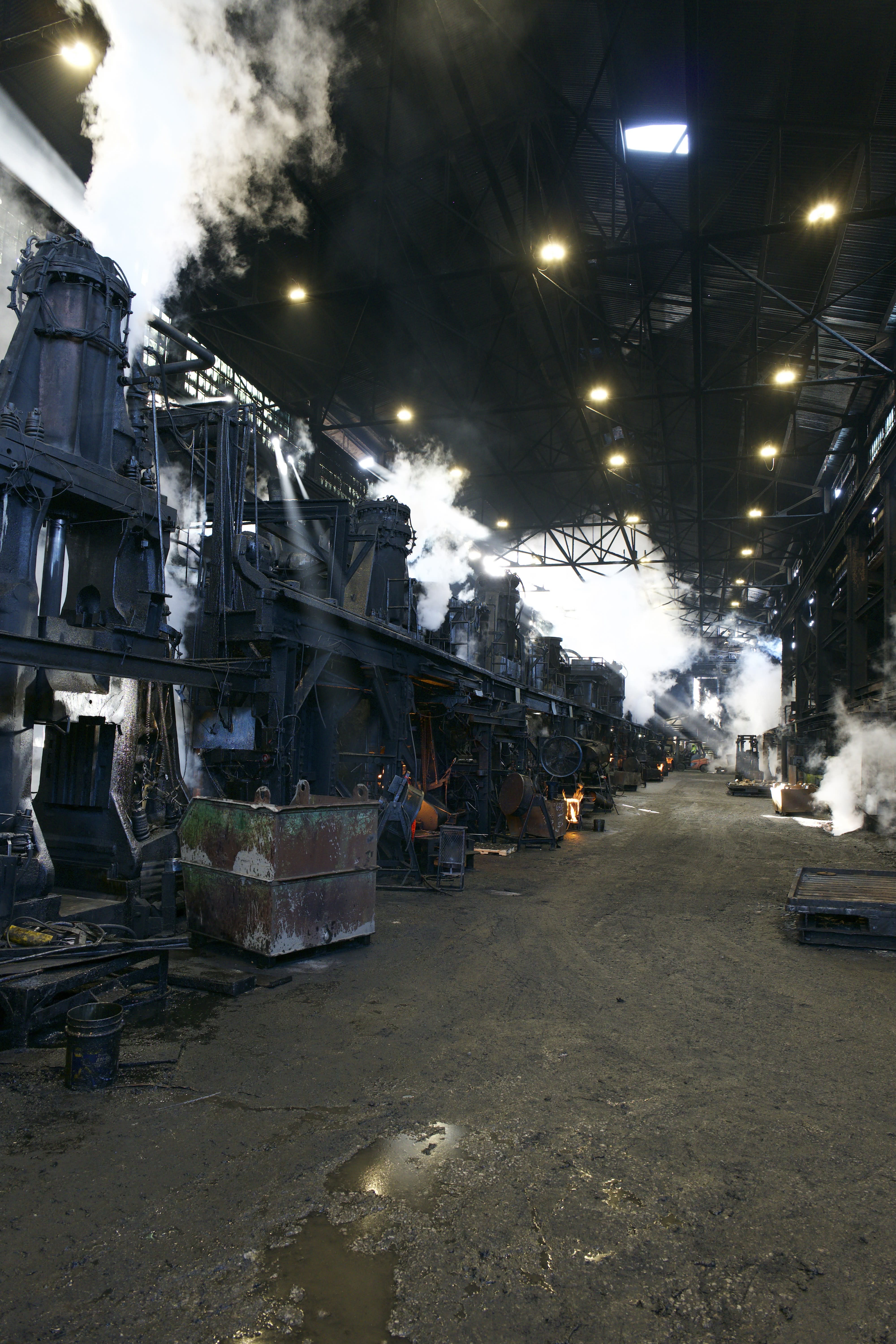
Step inside the space and the conditions become immediately clear. The forge stretches roughly 300 feet long, 60 feet wide, and 60 feet tall. Originally built with large windows, the facility once allowed natural light to flood the interior—enough, as one observer noted, “to grow palm trees.” Today, those windows are completely obscured by soot, allowing almost no daylight through.
Underfoot, the floor tells its own story. It is technically dirt, but decades of oil saturation have turned it into something closer to warm margarine. Forklifts struggle for traction, often slipping as they transport molten steel weighing thousands of pounds. Overhead, cranes and hoists move constantly. Every drop of the forge hammer sends vibrations through the structure—so powerful that buildings half a mile away reportedly shake.
For lighting contractors, this project represents a familiar but demanding scenario: a harsh industrial environment where standard LED solutions simply do not hold up.
A Facility Built on Extremes
The forge operates in temperatures that can reach 60°C (140°F). Add in constant vibration from heavy machinery and airborne contaminants, and it becomes clear why earlier lighting retrofits struggled.
The facility had undergone multiple lighting evolutions over the decades—from 2000-watt incandescent systems to HID, fluorescent, and eventually LED. Mounting heights varied widely, from 15 feet to 55 feet, often in inconsistent layouts. Some areas had been upgraded in bulk, while others were maintained reactively, replacing fixtures only as they failed.
The result was a patchwork system. In some areas, fixtures were visibly melted. In others, drivers failed under heat stress. Dark zones emerged across the floor, creating uneven illumination and increasing safety risks.
That inconsistency ultimately became the breaking point. The facility needed reliable, uniform light to maintain safe operations.
Identifying the Right Fixture
The solution came through a collaboration between Acuity Brands, Mag Energy (Mid American Group), and Park Ohio. After evaluating the conditions, the team selected the Holophane HOLOBAY™ fixture.
This was not a standard high-bay swap. The specification focused on durability first, then efficiency.
Key features included:
• High-temperature rating up to 80°C (176°F)
• Robust construction designed for high-vibration environments
• Glass optics that maintain performance under sustained heat exposure
• Long-life performance with L70 rated at approximately 140,000 hours
• Field-serviceable driver design for simplified maintenance
For contractors, the choice of materials was critical. In this environment, optic degradation is expected. The use of glass ensured long-term optical stability without the risk of deformation seen in other materials under extreme heat.
Engineering for Longevity
One of the more notable technical decisions was the pairing of a smaller light engine with a larger heat sink. This design helps dissipate heat more effectively, extending component life.
Equally important, the system eliminated the need for remote-mounted drivers. In many industrial applications, remote drivers are used to protect sensitive components from heat. However, they add installation complexity and labor.
In this case, the internal driver design proved viable due to the fixture’s high-temperature rating. The team conducted site surveys during peak summer conditions to validate performance under maximum heat load. The result was a simpler, more efficient system without the added complexity of remote components.
Photometric design also required adjustment. With surfaces heavily coated in soot and offering virtually no reflectance, traditional assumptions did not apply. The system was intentionally overdesigned by approximately 20 percent to account for rapid dirt depreciation. A long-term plan is in place to monitor light levels annually and establish a maintenance cycle based on real-world performance.
Delivering Measurable Results
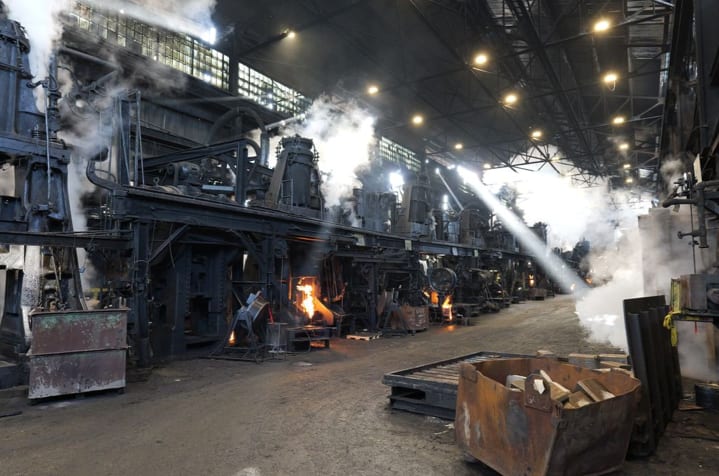
Installation presented its own challenges. Work had to be coordinated carefully around active operations. The environment was dark, filled with smoke and steam, and constantly in motion.
Crews often worked in short windows between production cycles—entering the space, installing one or two fixtures, and clearing out before operations resumed. Full shutdowns were not an option due to cost, making flexibility and coordination essential.
The results were immediate.
Improved light levels enhanced visibility across the forge floor. Workers could better identify hazards in an environment where footing is uncertain and loads are extreme.
Maintenance demands dropped significantly. With fewer failures and longer fixture life, the need for lifts and shutdowns decreased. For a 24/7 operation, this translated directly into cost savings.
Energy efficiency also improved. Even compared to the previous LED system, the new installation delivered a favorable payback.
Just as important, the fixtures were designed to operate without controls. In this environment, simplicity equals reliability. Eliminating controls reduced potential failure points and ensured consistent performance.
When the system was energized, the reaction was immediate. The gradual degradation of the previous system had masked how poor conditions had become. The new installation revealed the space with clarity not seen in years.
A Visual Transformation
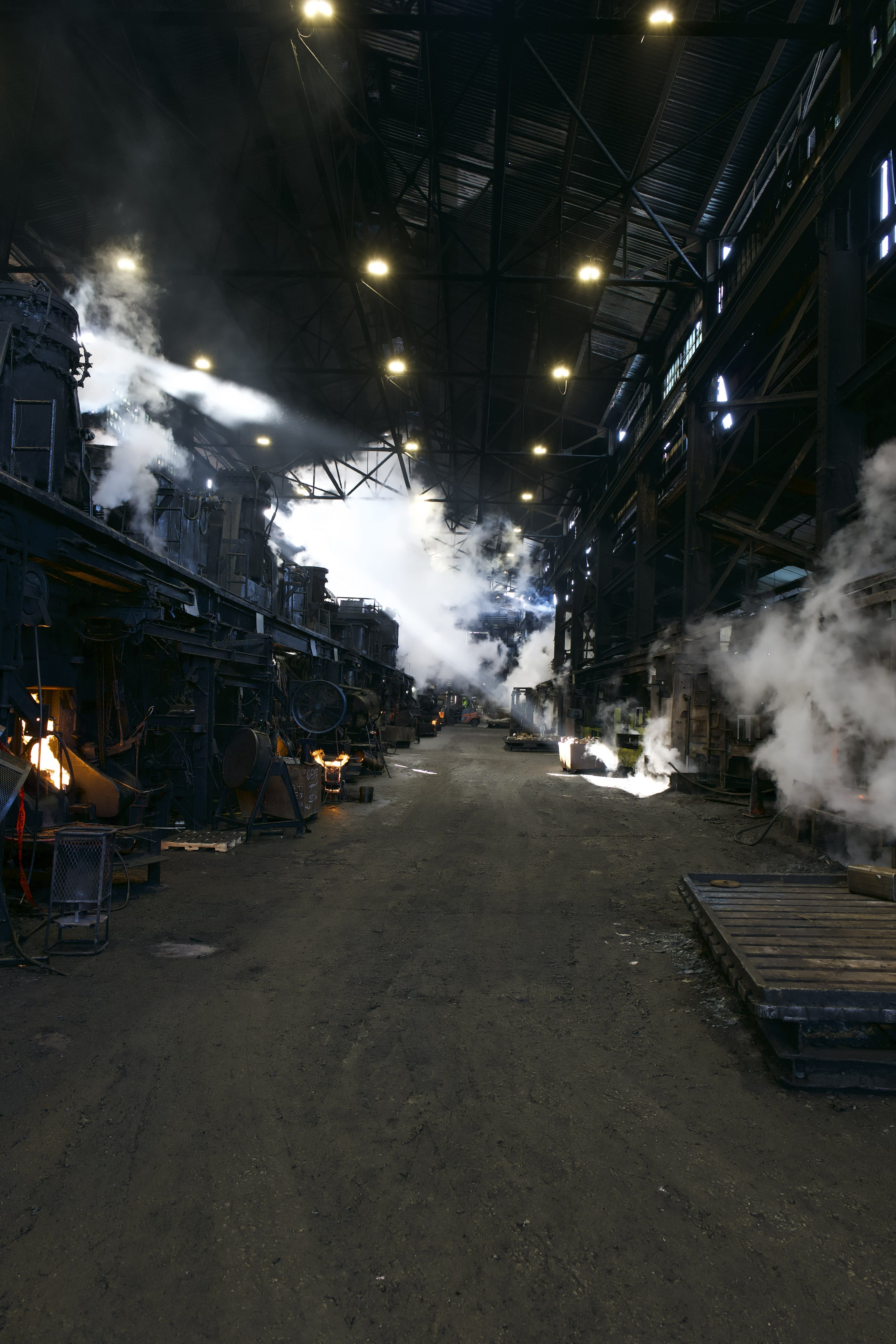
Before-and-after photography tells a compelling story. Areas once dim and uneven are now brightly and uniformly lit. The improvement is not just technical—it is immediately visible.
Video interviews with the project team, including Holophane and Mag Energy, further highlight the collaborative approach and the reasoning behind key design decisions.
Lessons for Lighting Contractors
This project underscores a critical point: not all LED solutions are created equal. In extreme environments, fixture selection must go beyond lumens per watt.
Thermal management, material durability, and serviceability become the defining factors. Equally important is understanding how environmental conditions—heat, vibration, contamination, and low reflectance—affect system performance over time.
For contractors working in foundries, steel mills, or other high-heat industrial settings, this installation provides a proven roadmap. A tailored approach—supported by the right manufacturer and rep partner—can significantly reduce maintenance costs while improving safety and performance.
Setting a New Standard
The Park Ohio forge project demonstrates how modern lighting solutions can revitalize even the most demanding industrial spaces. By addressing the root causes of previous failures, the team delivered a system built for longevity.
For the LM&M audience, the takeaway is clear: when the environment is extreme, the specification must be equally robust.


